

Erik Sine
-
Posts
9,929 -
Joined
-
Last visited
-
Days Won
241
1 Follower

About Erik Sine

- Birthday 09/09/1973
Recent Profile Visitors
125,681 profile views





Erik Sine's Achievements

Master Engineer (6/6)
369
Reputation
-
Come see our BrightON LEDs displayed at the Abitech Sign Supply Booth #4618 this year at ISA Las Vegas....come see what we have coming next!
-
I haven't had a chance to check out yet, but I'm sure as soon as I do I'mm spending some amount of time in fascination
-
Oh that's cool. Probably better articles too
-
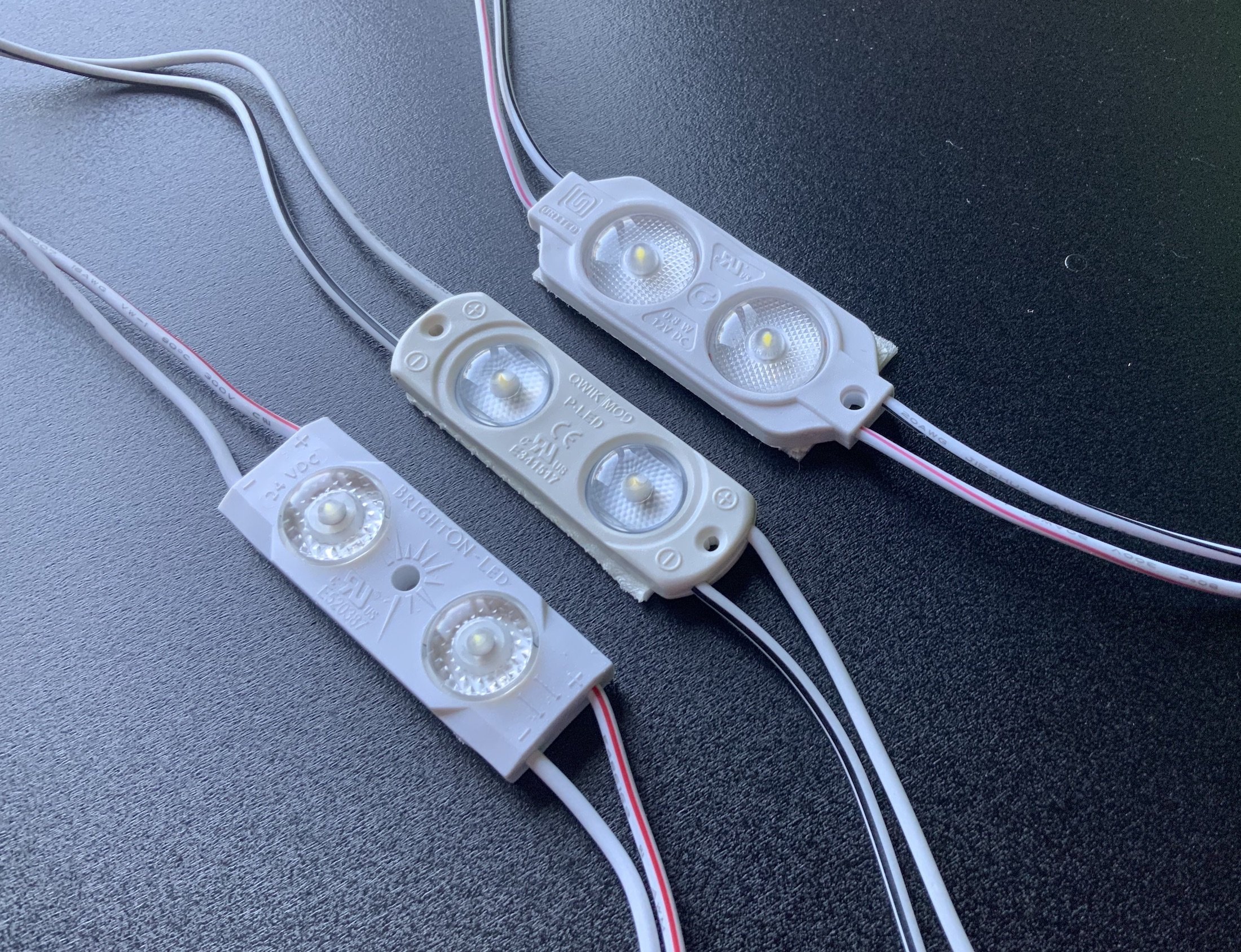
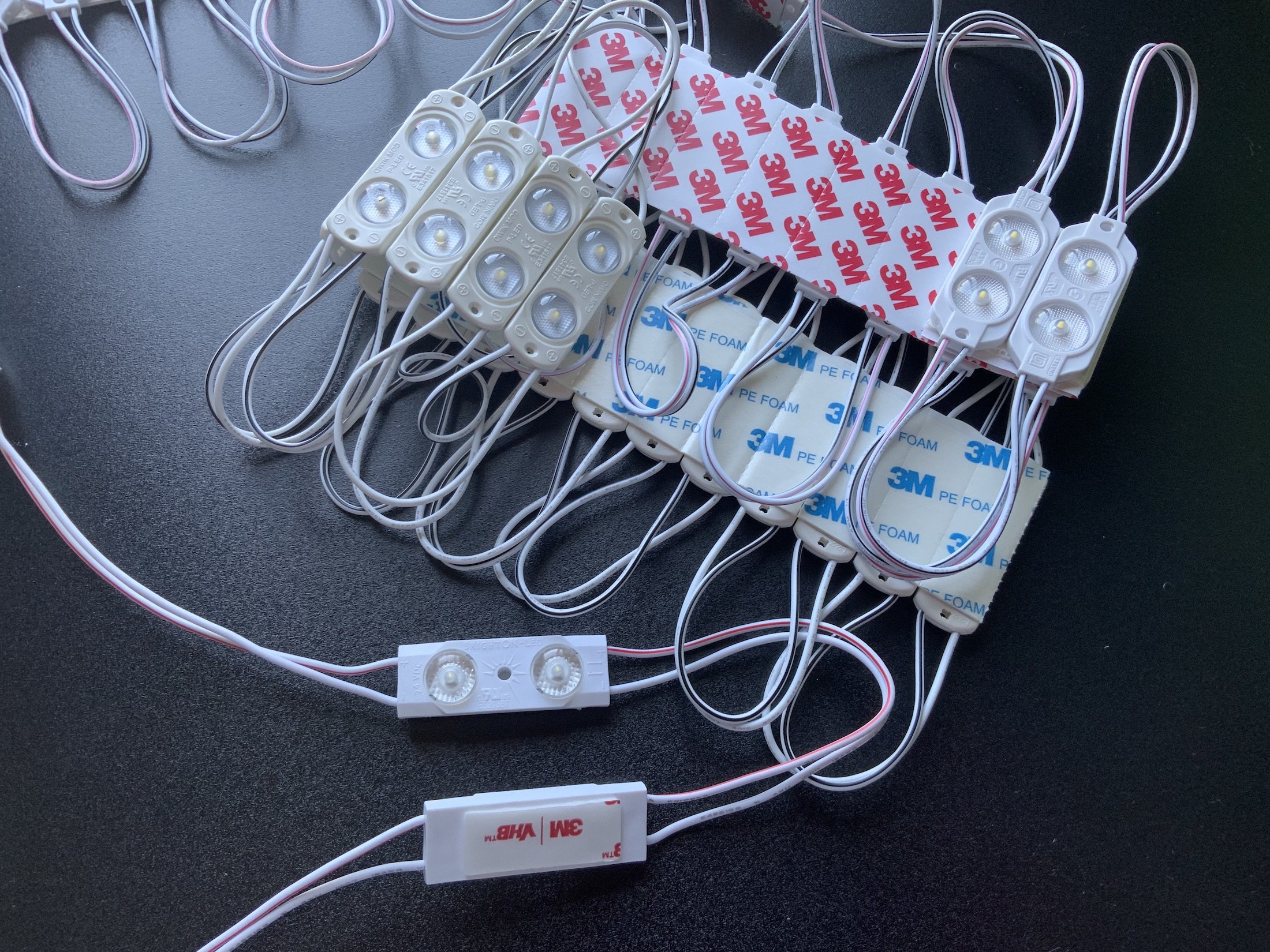
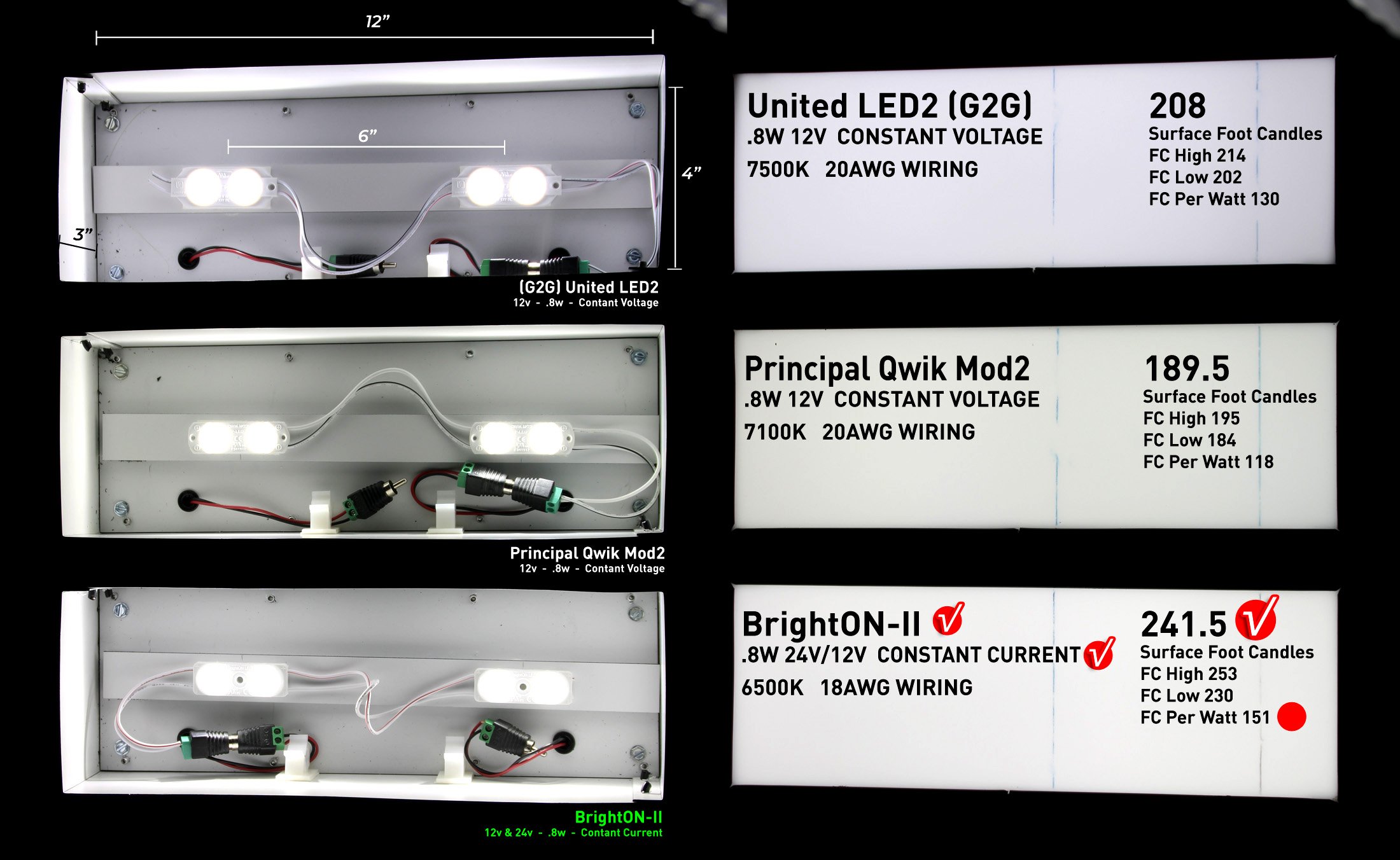
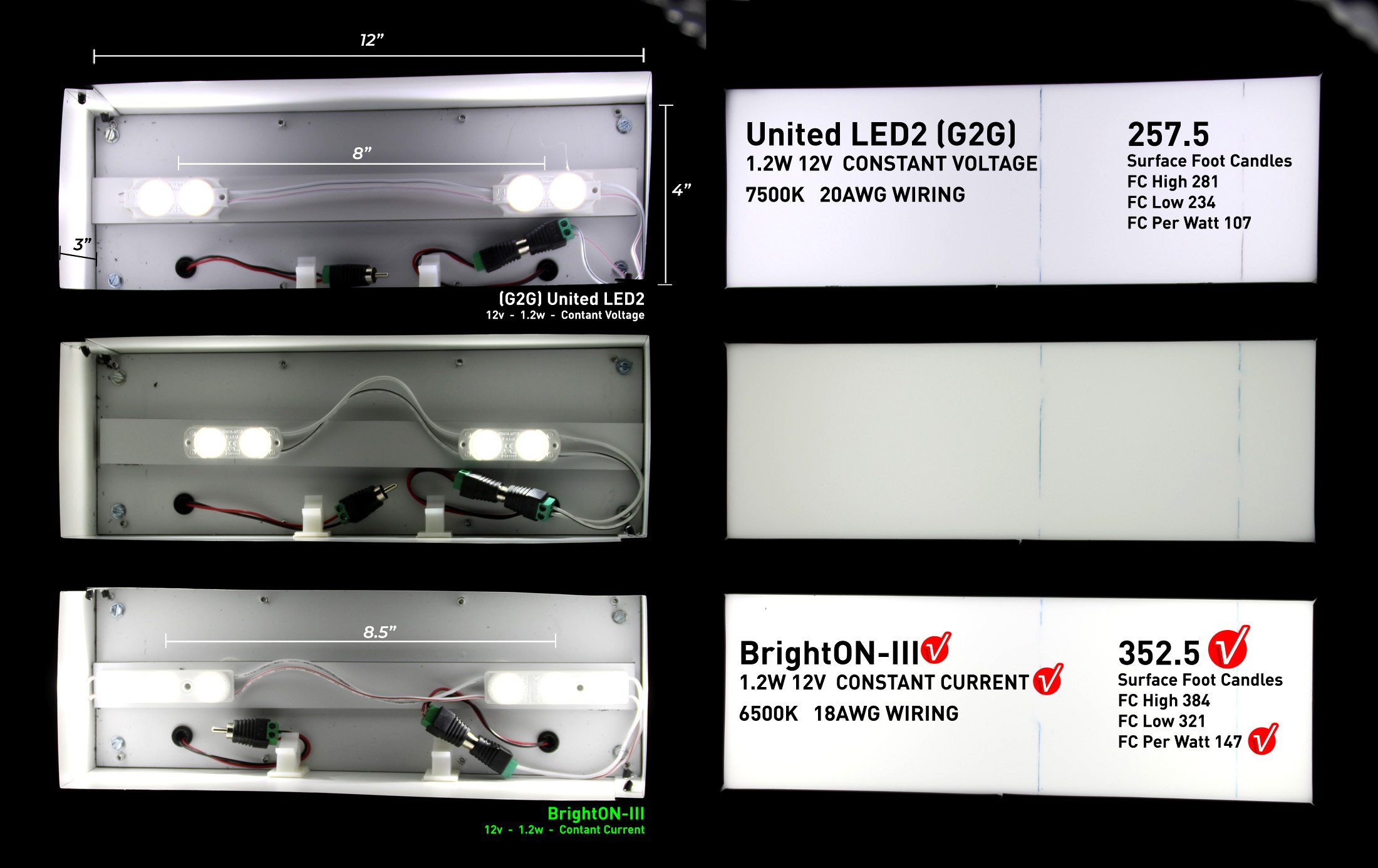
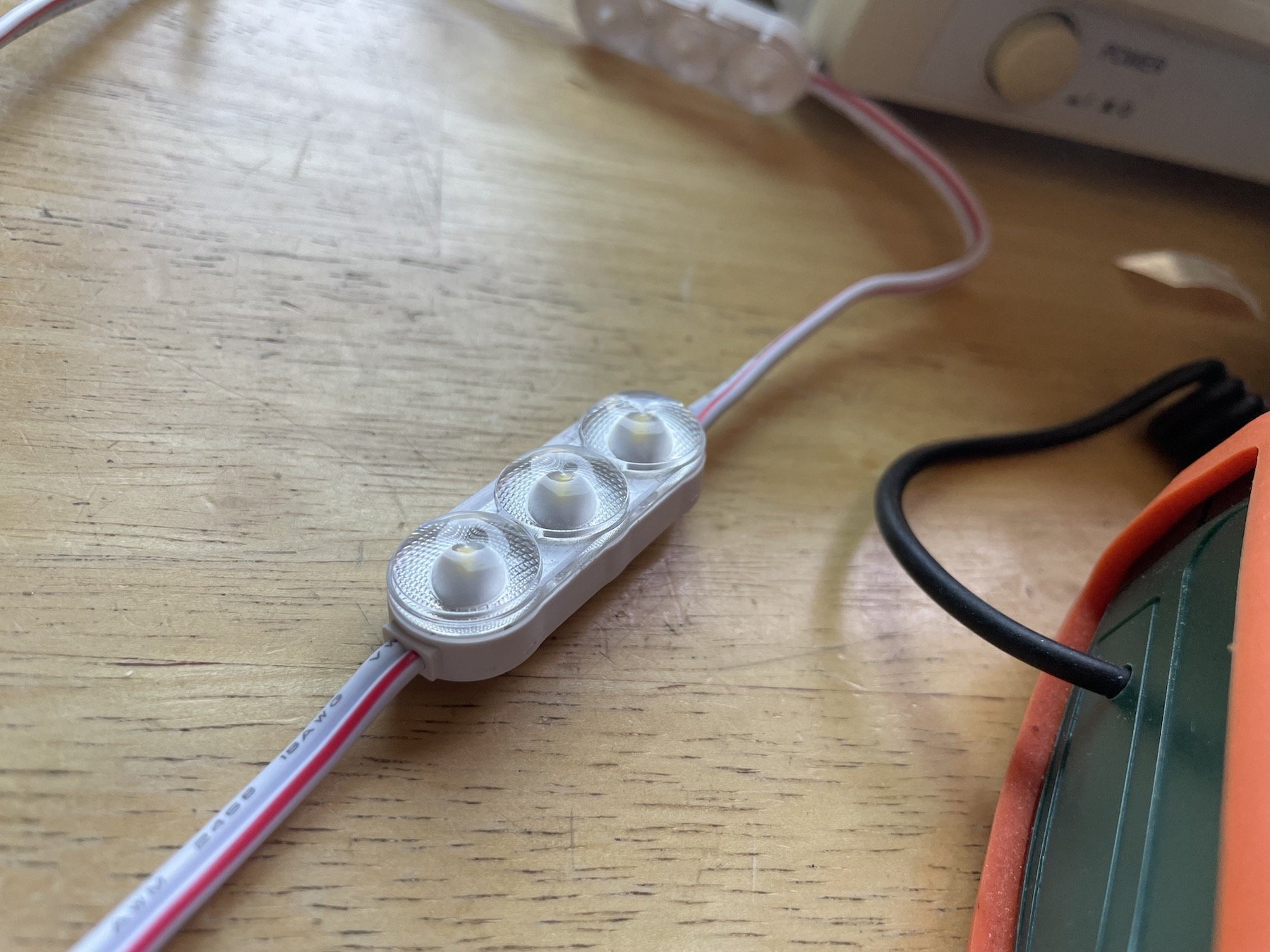
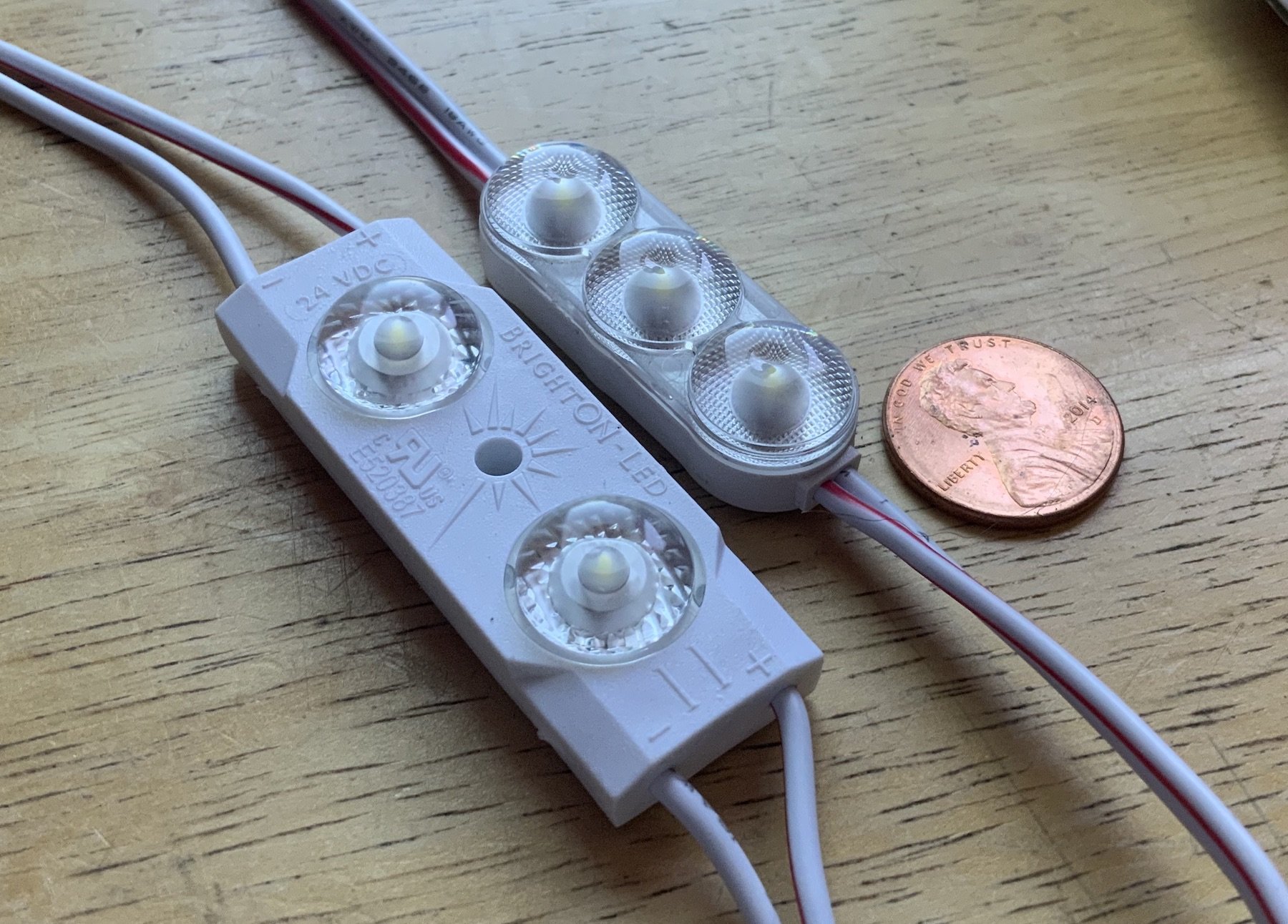
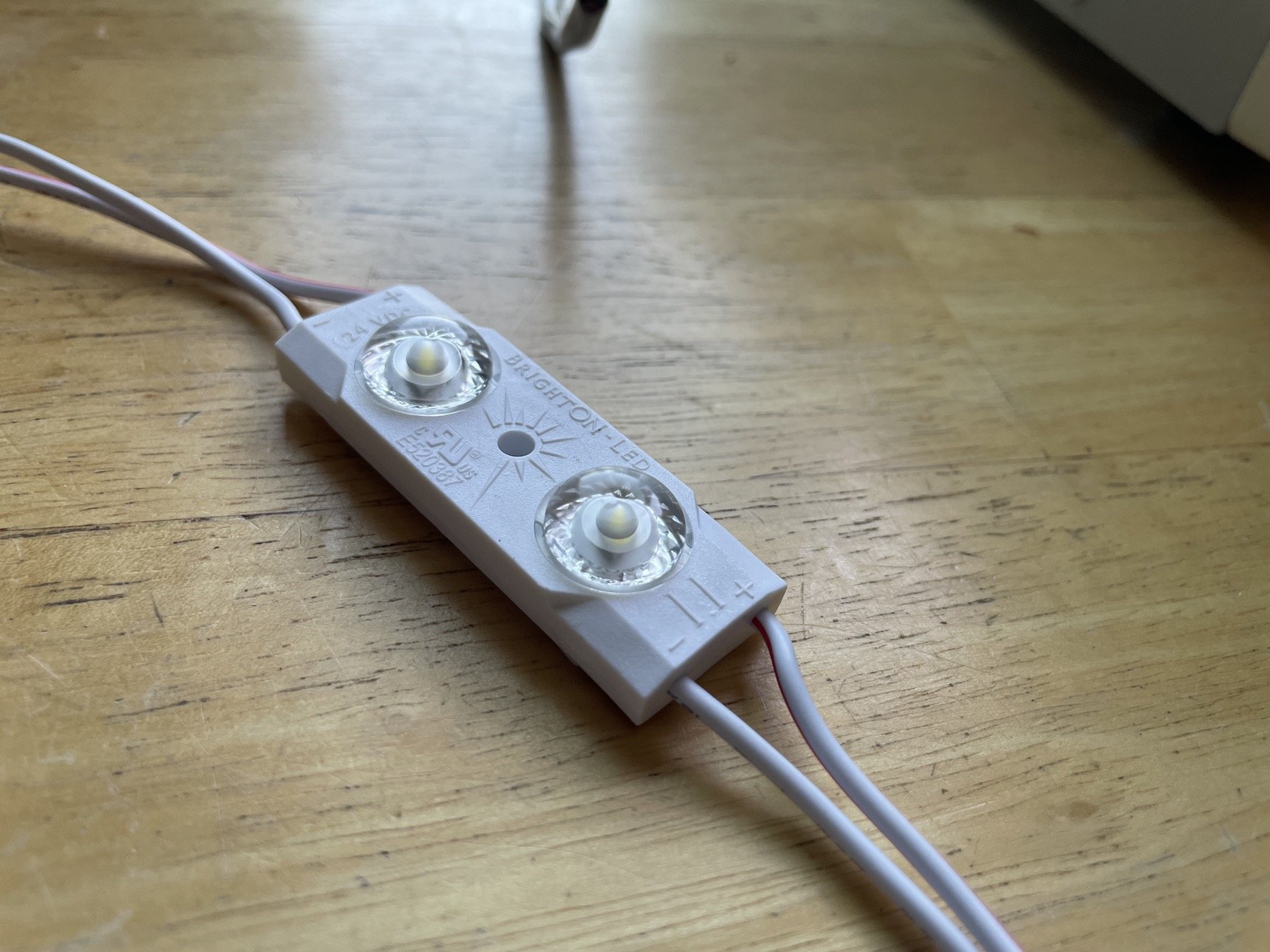
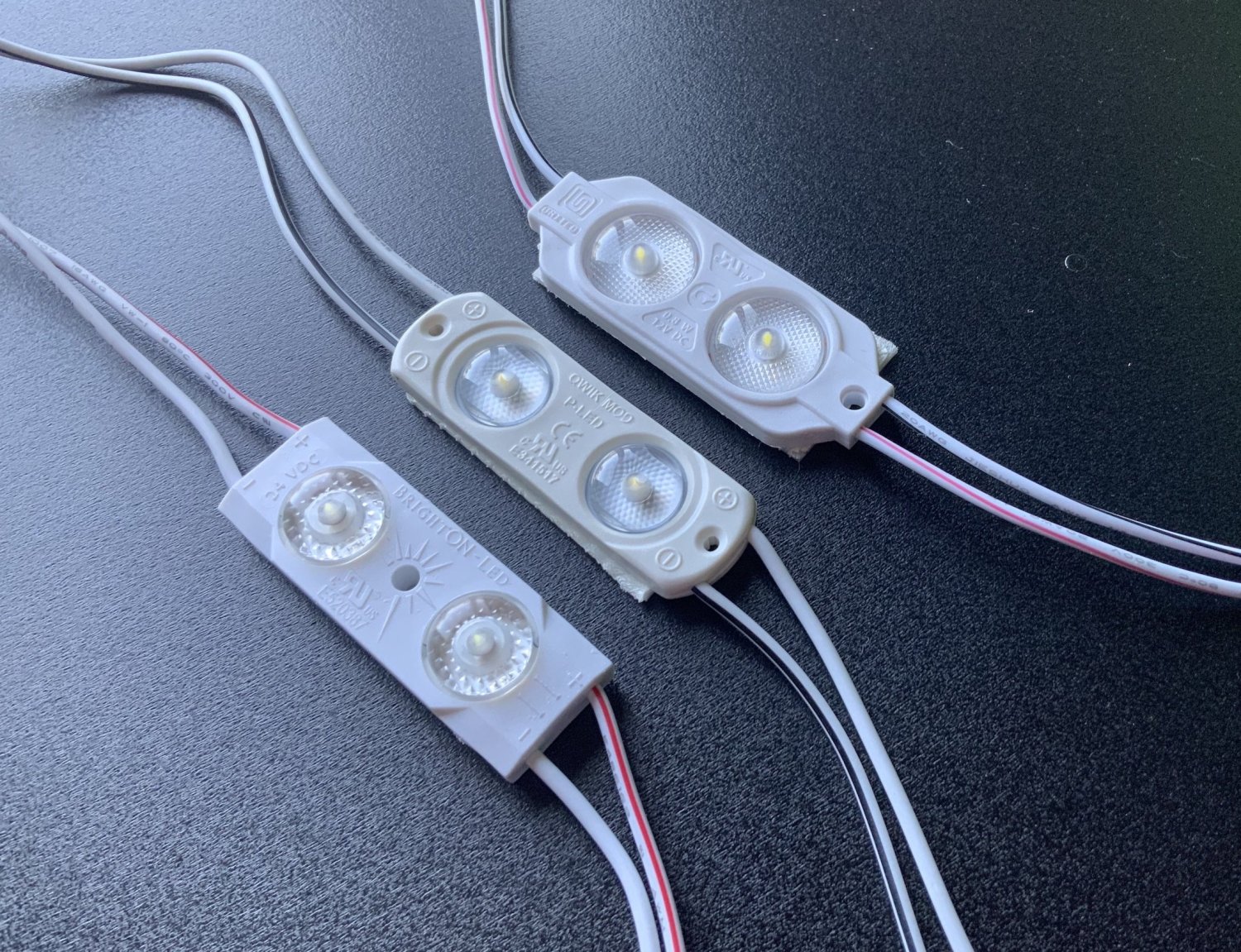
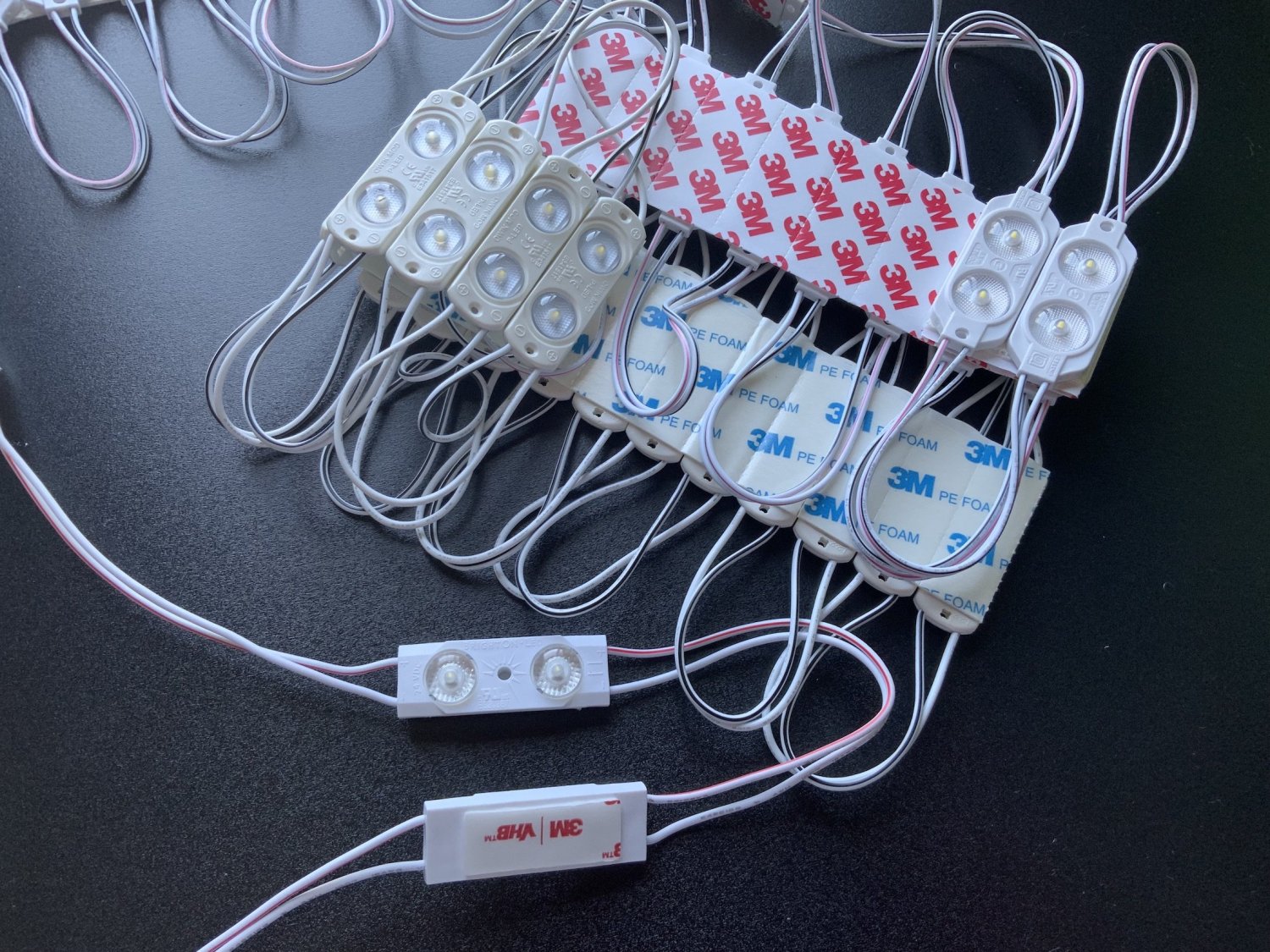
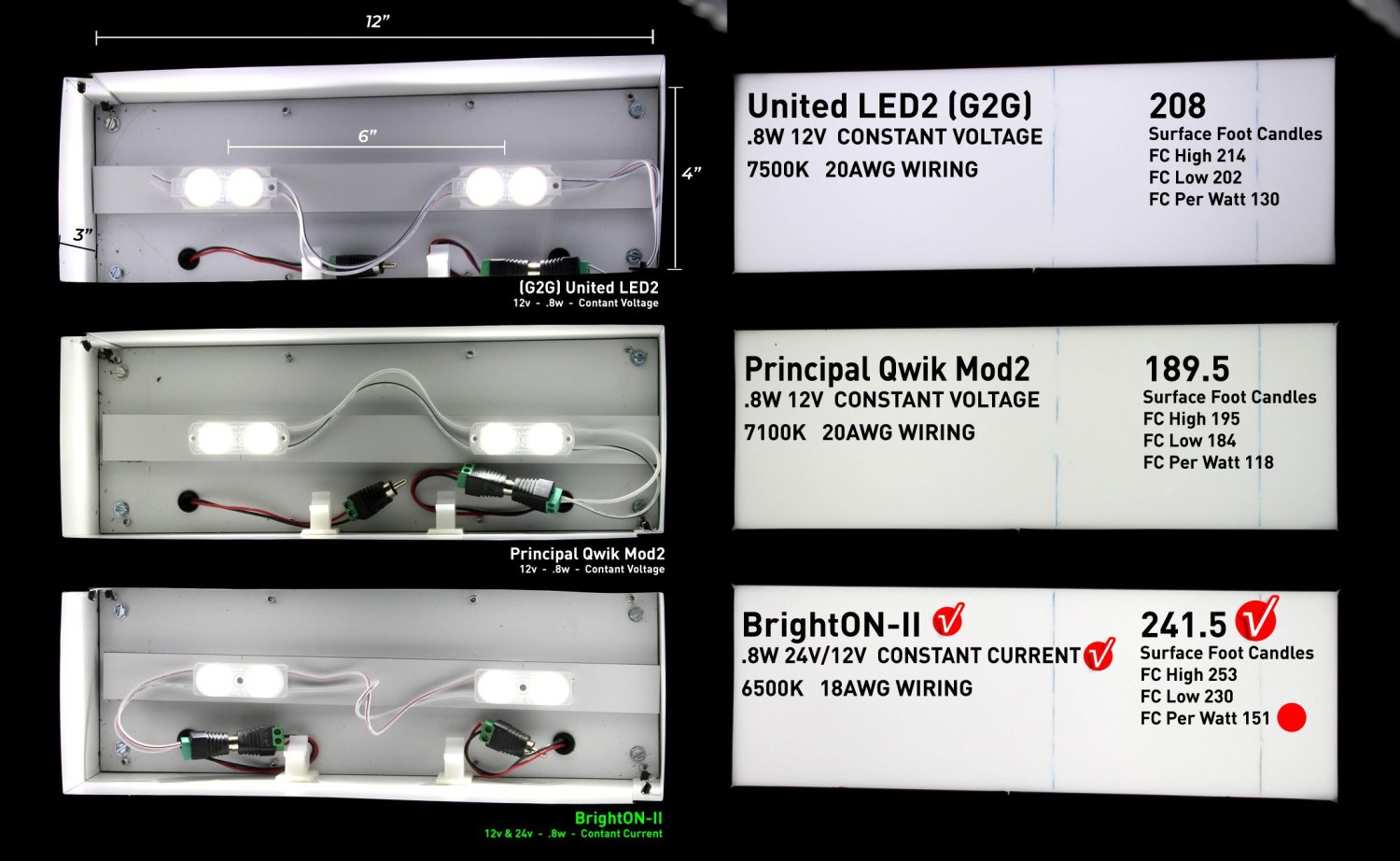
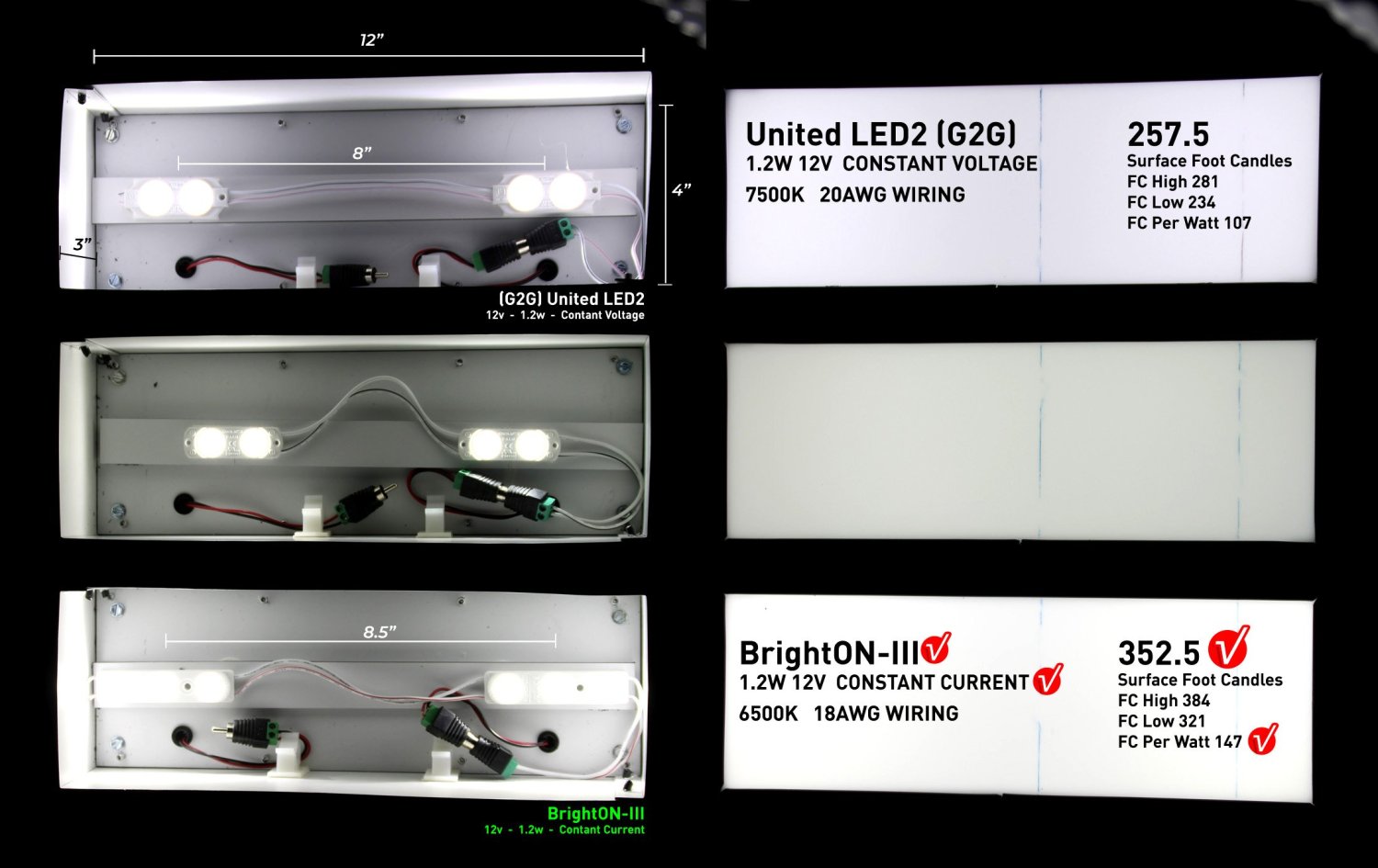
The United LED 2 vs Principal Qwik Mod2 vs BrightON - II Shoot Out I've been getting asked questions from clients about a new option on the block and how it compares to the BrightON - II LED Module. At the time I ran this benchmark there has been very little information about the United LED Module, which is Wensco Sign Supplies's "Fuck You" product aimed at Principal LED's Qwik Mod2 specifically for hurt feelings....and it's backed by Montroy & Spandex. This is Wenso's way of getting back at Principal for them losing the Principal / Sloan LED Line...Which IMO...losing those products... was NOT a big loss. I admire Wensco for coming out and hitting back at Principal Publicly when the Principal line was pulled back from them. But, it was the way Principal did them dirty that I myself understand their anger. It was the way the relationship ended, and not just for Wensco but others like Montroy. It is reminiscent of how Matt BooB of Vidon/Jewelite silently ended our relationship Link This happens a lot in our industry behind the normal closed doors sign shops will never hear about. We ourselves have gotten doors closed on us because I wouldn't play ball. We've had large sign suppliers contact vendors we carry to try and shut down what we stock from them down under a threat...THEY won't stock them if they continue to stock us....in fact, now that I think about it, the two brothers at Principal ended our supply of Transco To Go once they bought them. It's not something to cry about, everything happens or a reason. All the bad things that happen in life have a way of installing a drive in you... ....There's a way to end a relationship and it BEGINS with a phone call and having a conversation, no one likes to learn their girlfriend dumped them by text or email, or by social media. On a normal day I wouldn't even touch this comparison because I think Principal LED is turning into a monopoly just like anyone else, shops are overpaying more for mediocrity and their buying because they don't do their own research...clearly. For now Principal can dictate a large portion of the market....for now... I'm being asked about it because Wensco is choosing to offer this Brighter, Whiter, Cheaper module ("Brighter than others") for cheaper than the Qwik Mod2... I have to jump in and tell my Customers what the difference is between the two LED Modules and how they differ. There is some truth to it, and some exaggerations. Back to to the Modules... I didn't know what to expect on this United LED Module and some specs seemed a little exaggerated to me. It's a G2G Lighting LED Module made specially for Wensco. In my humble opinion this is a race to the bottom, and it reminds me of the JT LED Era by N.Glantz If you're going to build something, don't start with the Qwik Mod....for just "Cheaper". The bar for the Qwik Mod is nothing to shoot for, and this does not help the industry, it retards it. They're chasing after shops that want "Cheaper", NOT Quality. I myself CAN make cheaper, but I don't want "Cheaper", I want to service the shops that want.... "Immaculate"....Competitive Light...NOT Usable Light Anyhow, I was sent some modules of both United LED's 2LED 12volt .8 watt and higher power 2LED 1.2watt module which I think is geared for cabinet lighting. I did a quick benchmark comparison per the usual, and I did it this time with my portable sales case. PIC 1 - Basic LED Module Specs Left to right. BrightON - II 12V & 24V .8watt 6500K Constant Current 3M VHB Tape 18 AWG Wiring Principal LED's Qwik Mod 2 12V .8watt 7100K Constant Voltage 3M Foam Tape 20 AWG Wiring United LED (G2G) 2 12V .8watt 7500K Constant Voltage 3M VHB Tape 20 AWG Wiring PIC 2 - Method of Attachment Method of attachment to surface, 3M VHB Tape or a budget Foam Tape. I personally don't like foam tape as most of you know as a sign shop, because when you place it down once, you're not picking that module back up if you have to move it again for any kind of adjustments without ripping that foam tape and making mess on the surface to reposition. With VHB tape you can simply twist and move again over and over again. PIC 2 - The Comparison Makeup The comparison channels are simple, 12" x 4" x 3" Depth, and typical 7328 white faces. The United LED .8 watt module does it's job of beating the Principal Qwik Mod 2, in Correlated Color Temperature and in efficiency, but it's not a huge jump. The real test would be the long haul and that's what the Lumen Maintenance would be...The Light Degradation and possible color shifting over time.... but that's going to take time....but we're doing that too! The BrightON II with better Correlated Color Temperature for a better whiter, and brighter (Chip Efficiency) white exceeds both greatly. Pay special attention to the Foot Candles Per Watt, this is the amount of light you get per power on a sign face which is more important and truthful than what you will see printed on a LED Module Spec Sheet as "Lumen per watt...or lm/w", because this does not lie and this has to do with chip efficiency and quality. The BrightON II almost 25% brighter than the Qwik Mod 2, and about 15% brighter than the United LED Module 2 for the same power....But this light output for both United and Principal is favorably handicapped in their advantage and I'll explain later on... PIC 3 - The 1.2W Large Channel Letter & Cabinet Lighting Module Comparison Here we have the 12V United LED 2 big 1.2W module up against our 12V 1.2W module, the BrightON - III. These are made for larger channel letters and sign cabinet lighting. There is a big efficiency difference (Light per Power) between these two... the United LED Module at 107 Foot Candles per watt of power from their 130 for their .8watt module The BrightON III has nearly 30% more light per power as a 1.2watt module than the United LED 2 Module used for large channel letters and sign cabinet lighting CONCLUSION Besides the percentage brighter of the High-End BrightON than the other modules there are other aspects, and some more important than others. I'm going to address the smaller issues first as to why it affects the lower cost of their modules. The Foam Tape It's convenient and cuts down the cost on the LED Manufacturer of course, by tape cost as well as packaging costs. For the sign shop nothing is more aggravating than placing a LED down and when having to reposition it, it means the tape breaks, makes a mess on the sign surface as well as the module. 22 AWG Wire Again....It's convenient and cuts down the cost on the LED Manufacturer to help the cost of Budget LEDs along. But smaller gauge wire means voltage loss for these Constant Voltage LEDs, and voltage loss brings uneven lighting for CV LED Systems, more so than CV LEDs that use 18 AWG Wire, which CV LEDs are already not built for life already. Constant Current I feel like I beat this topic to death. But if you're going to build quality, build CC Systems NOT CV. Life of the LEDs are longer because each module is protected, because they have a current regulator on each module that does the following. Assures consistent lighting of each module from the first to the last module on a string. The first CC LED on a string does not take a bigger hit than the last module on a string. Any slight fraction of a volt coming from a LED PSU above 12.0v can kill a CV System, and faster depending on the overage. On any under voltage such as 11.5 to 11 volts the CV system will dim, and this usually occurs on fully optimum loaded LED Power Supplies, mixed in with voltage loss occurring from string length and secondary line length (mix in 20 AWG wire too). That same voltage on a CC system LEDs, the LEDs won't dim, they will be just as bright as if hooked up to a true 12volts. This is why when you ever light up a few CV modules on a sample string they will be brighter than when it comes time to hook up these modules on a fully loaded PSU at 85%. So in reality, if I were to optimum load these power supplies to these Channels….”One Bag…One Power Supply” as they’re pitched…. the CV LEDs (Principal & United LED) would have lesser light output than what I'm showing here favorably by hooking up only 2 led modules per power supply, or in this case, 6 LED modules to one single unit. So, in a sense right now…..I’m favorably handicapping these Principal / United G2G modules. Lastly... The "Upgrade" has always been here...the "Upgrade" is the BrightON LED I admire Wensco for going out and sticking it to Principal and ruffling their feathers, I completely understand the anger Wensco has and I know that anger is what will drive them. Competition is good, and in the electric sign industry whether you know it or not, there is a fight against the monopoly going on I'm only doing this comparison because I'm getting dragged into it, large samples are being left and special pricing to "try me" is being left and I was being asked by customers as well as Sign Suppliers what the differences are. The BrightON LED line is NOT a budget line, there's plenty of that out there...it's just not how I would build a sign. The BrightON LED Line is a premium product that is priced around the same as the Qwik Mod System on average, provides better lighting and efficiency, lasts longer due to those aspects explained, and priced lower to similar built systems that still won't beat it in lighting efficiency (Light per Power). By Years end our BrightON LED Line will be taking another huge Leap forward in Lighting Efficiency. From our prototypes that we have been playing around with the this last year we will be Brighter, Whiter, and doing it for a much lesser Cost of Operation (Light per Power). So, what is already Great now, will be even GREATER! BrightON LED is Built from within the Sign Industry...FOR the Sign Industry, offering Competitive Light...NOT Usable Light! Related Topic:
-
Ground Breaking News Some pics of the New BrightON Module Line Modules, the New BrightON - II and the revised BrightON - Lightning. For what was already efficient Top Tier 165 Lumens per watt....we're now at 170lm/w to 175lm/w • Constant Current, NOT Constant Voltage • 18 AWG Wire, NOT 22 AWG • VHB Tape, NOT Foam Tape • 10 Yr Product | 5 Yr Labor We LOVE Competition! New 24V & 12V .8w BrightON - II 12V .72w BrightON - Lightning Dastardly Duo
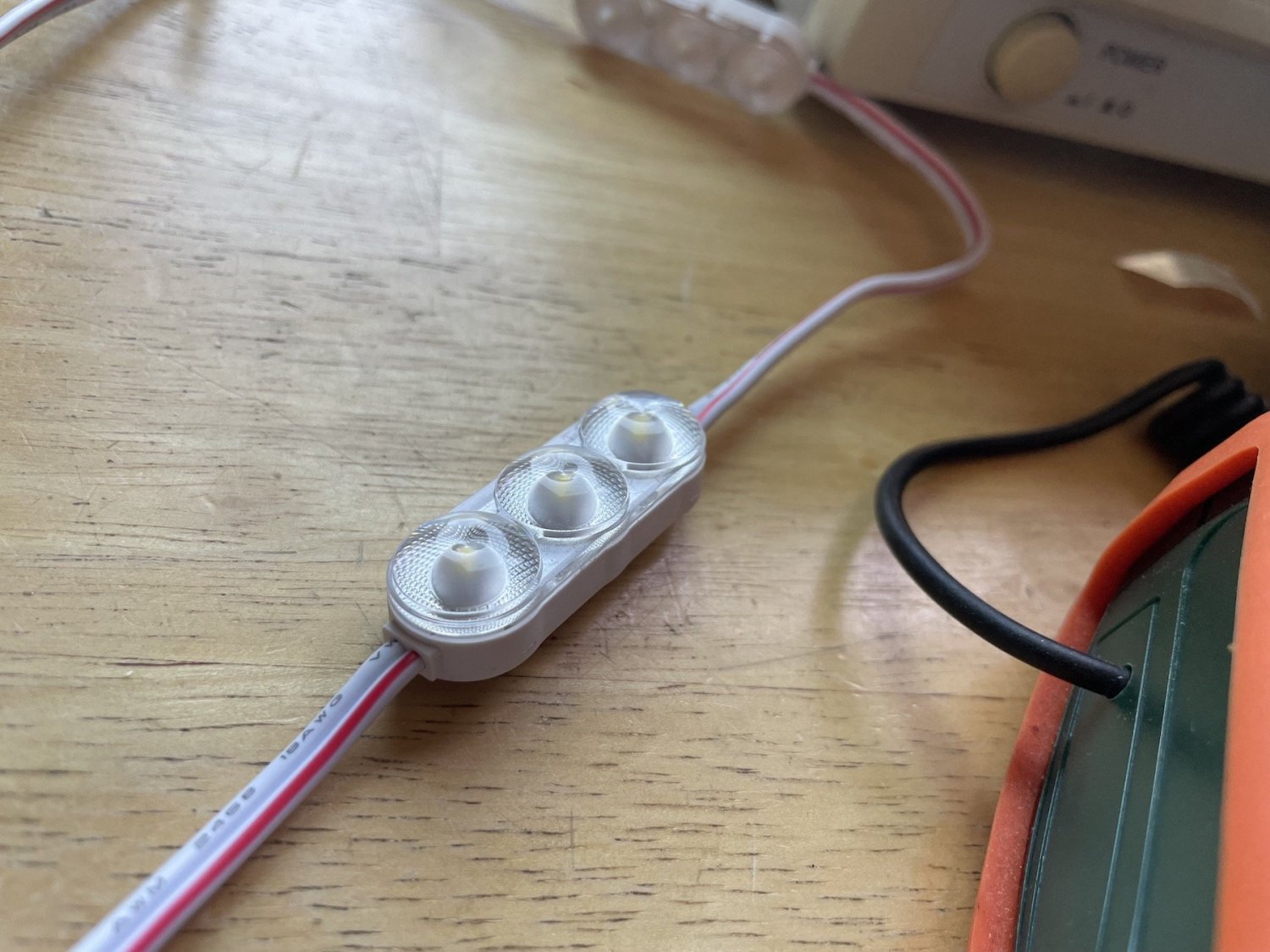
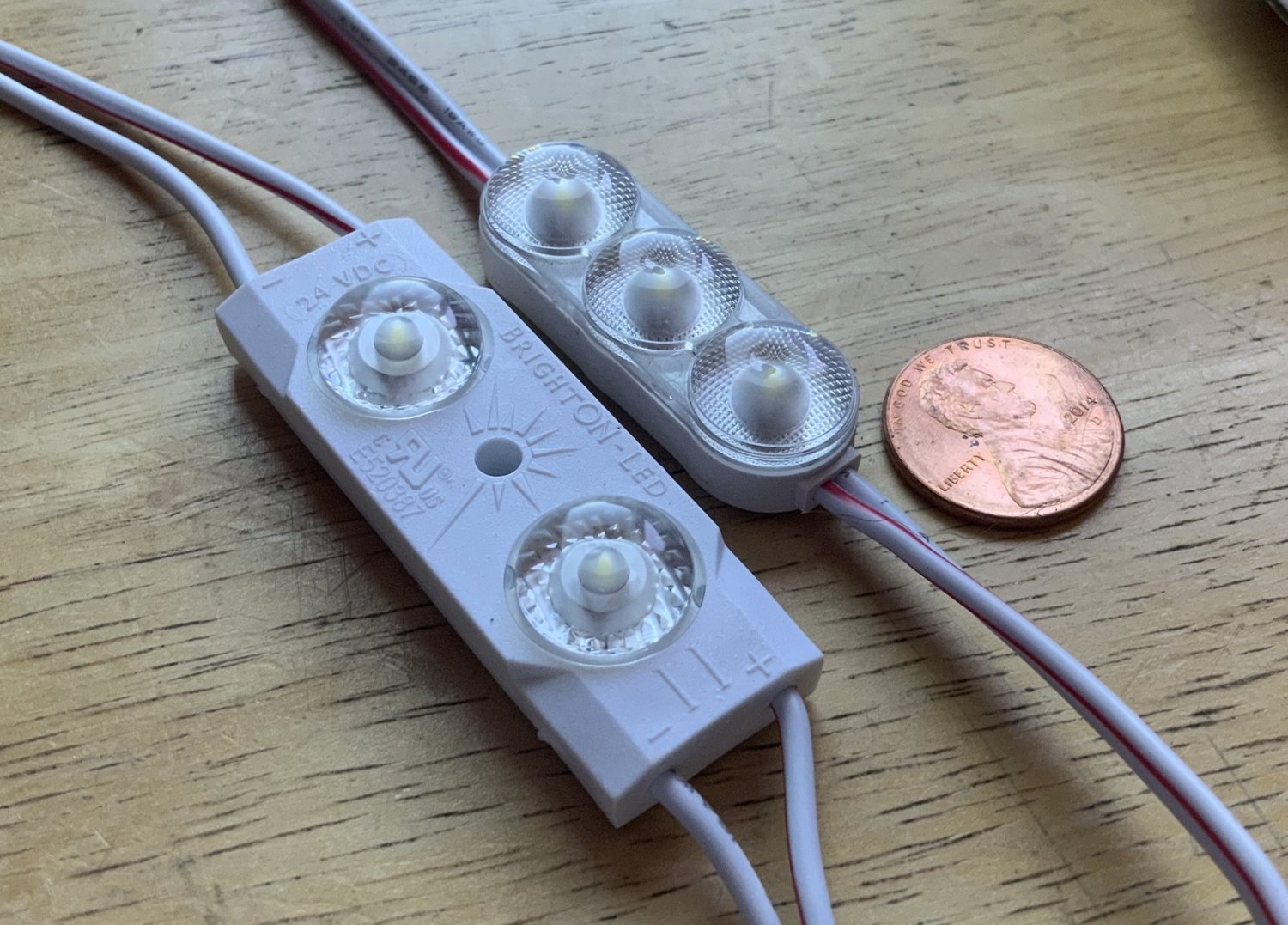
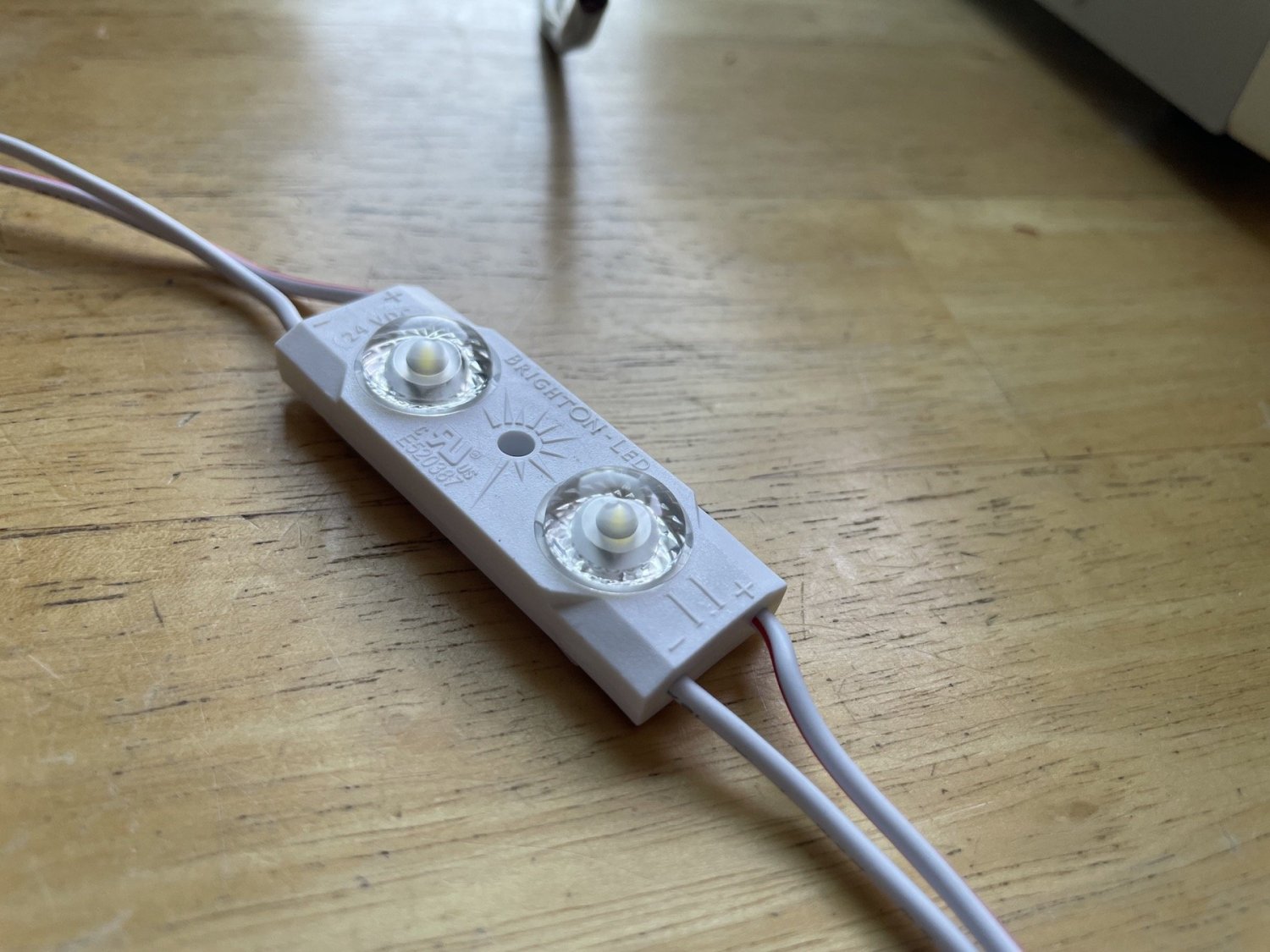
-
Toggle bolts
-
It's actually 22 gauge corrugated galvinized metal painted a Matthews Paint Green
-
Here's a pretty cool little project using the BrightON Lighting 3000K Mini Modules. The 3000K goes nicely with the Green
-
Oh yeah, much smaller than Vegas, and larger than the Atlantic Show. I usually go annually, but last Vegas show was smaller than usual and saw all in one day.
-
I was going tot try and go last minute but was unable. Friends said it was small, nothing new. I think these shows get smaller and smaller every year now with social media.
-
The latest in LED Manufacturer / Sign Distributor LED Module Turf Wars. How these winners are picked by the International Sign Association in endless Social Media Congratulatory Posts, the endless LED Manufacturer & their Manufacturer Outside Sales Reposts, and the reposts and likes coming from all the Association & MFG undercarriage Our Trade Magazines picking winners by sharing their publishing keyboard, allowing them to write biased, self serving, self promotion "factual articles" by whoever pays them the most in advertising. The way our Sign Industry knowingly...or unknowingly eats it up as fact
-
I just caught wind of the little side segment as it reached through my spam folder and into my inbox. I know Signs of The Times is only 15 pages now, with very little content..... but wow how they have really sunk further down just about the last revolution of the circling toilet water out, on it's way to the sewer. They've never been accused of truthful content on the past, but now announcing they're writing real fiction with their Community Activist writer Rolf L'Mao who is screaming "Fire" where there is none. This man writes fiction to spark controversy and to hit political emotion....what hole did they dig this guy from? So, just read the Red Deal - "The Case of the Channel Changer" ....how sad.... I'm not even the person Rolf L'mao would consider "White"....and I see nothing but Made up "Race Baiting" with using such words as "minority owner" and Made up Sexism...just to spark emotion...to infuse some sort of "White Guilt" We have enough of a divided country as it is, the last place we need to read about it with made up content is from these Brochure Rags....stick to Made up reasons why a Product is Good based on what that advertiser paid that month....give them back your keyboard so they can write up some Sales points As someone who this Community Activist writer would consider, and label ME a "Minority"....lose the labels Rolf L'mao. No one really cares what we look like or what gender we are, most of us just look at one another as People, and fellow American's. I've never needed a label like "Minority Owner" to get through in life, nor need a handicap because for some reason I can't make it on my own without the assistance from government, forcing their hand to put me at the front of a line that I can't do myself based on merit....NOT by the color of my skin. Let me give you little bit of insight Rolf L'mao... in the private sector especially.....we hire, and deal with individuals who are the best at what they do based on merit, character, and based by production or ideas from their own efforts.... We don't hire people or heir their services based on because they are Brown, Black, White, or Yellow, or Man or Women....some do, and that's sad...but that's so small and so few, it's not even worth writing a fake story about. I've been in this Industry since 1993, and I've seen all walks of life as owners, important decision makers. Good ones and bad, we're all just people, and we're all so different... That's one thing I'm proud to have never done, declare myself as a "Minority Owner". Use on a form, or to try to obtain a bid or contract. You either Hire me because I'm good (Which I am), or go hire someone else. There was one time where a grocery chain told me after years of work I had performed for them, that I had to fill out a "Minority Owned" application. I refused, they told me they had to move on, and they did. A few years later they called me back after enough failed projects... No Wonder Why SOT is only 15 pages thick these days He's not Rolf L'mao...he's Rolf LMFAO

-
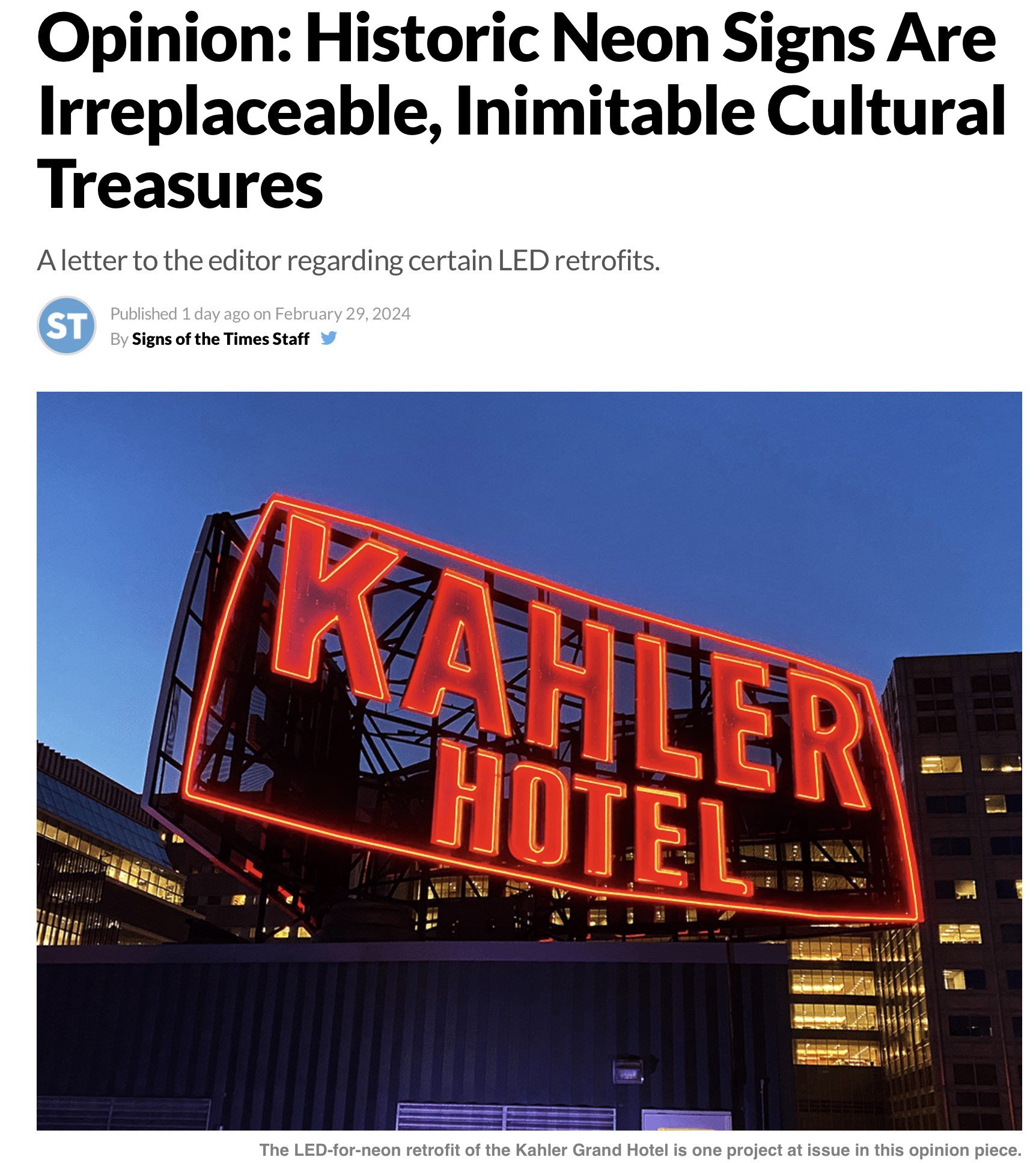
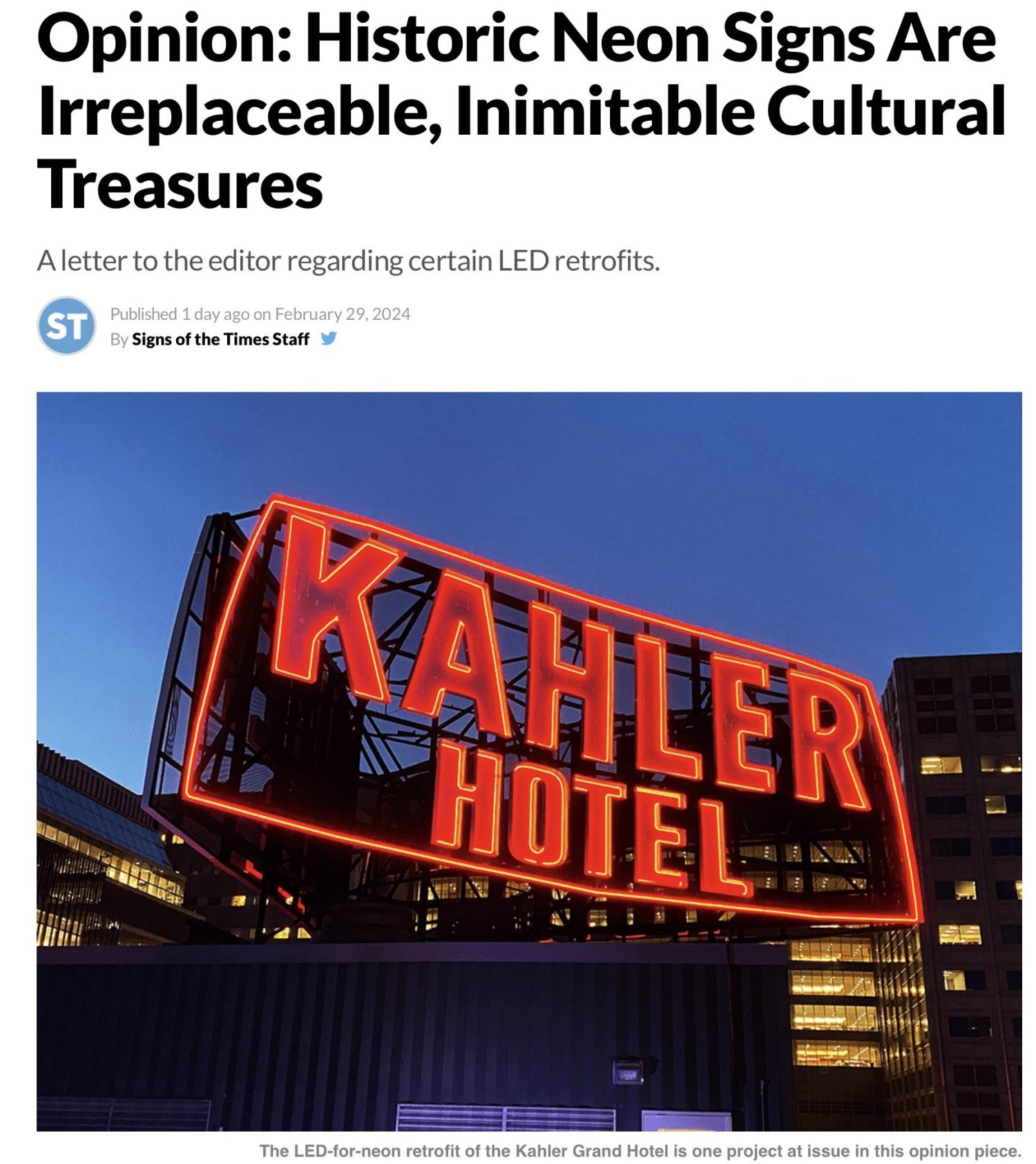
As the Signs of The Times Magazine circles the toilet fighting to stay a float these days, something of actual relevance pops up on their site, yet..it didn't even come from them.... https://signsofthetimes.com/opinion-historic-neon-signs-are-irreplaceable-inimitable-cultural-treasures/ With the Community Organizer over there away from the Keyboard and the take over by the current Hipsters they still can't get it right. No one in that SOT staff currently has ever fabricated, installed, or processed Neon in their lives. The closest any of them has ever been to a piece of glass is probably at the ISA show in Vegas with them possibly taking a tour at the Neon Graveyard. They probably stared at at the magnificence in all its glory in awe...maybe even jaw dropping while sipping on a fruity cocktail. Not even a whisper that the very publication they work for....helped to enable its fall. Or know, that the publication did what was easy, and take advertising money from the LED sector and allow them to buy influence in not only our supposed Trade Magazines which is nothing more than a brochure rag, but bought influence in our Trade Associations as well....and kill the very Soul of Neon, the greatest Heritage in our Trade. Yet, our Trade Journalism did nothing about it. Nothing to protect our Electric Sign Trades Greatest Heritage, & Tradition that helped put us on the map in Perpetuity....Neon. Destruction of our very roots from within...or are the Trade Magazines & Sign Associations truly counted as one of us, or part of the "Whithin". I say, and always have said that "They" are not "Us". This is best left for another day, but very briefly for those that do not know. Most Sign Trade Magazines are not souly based on one trade, most have magazines that coexist in different sectors like Hospitality or Construction. The same is for the Core Executive that actually pick up a check at The International Sign Association, their employees who head it up never ever came from our Industry, they came from others, Power Lift Gates & Plastics Industry one day and Musical Chair the enxt right into our industry...they're outsiders coming and bringing that recycled business model they used in some other sector/trade into ours. Back to the Article... This Ball less Rag still, to this day has to label this article/letter as "Opinion" That's mainly because the Hipsters that run the rag think it's just entertaining but know there's a hint of truth somewhere....they just can't figure out where. Forget the fact that SOT like others have become irrelevant at the current state. They're all basically 15 pages long these days, with little to no information that you can't get by logging into LinkedIN, Facebook, or watching a TikTok / YouTube Video where the "pay/rent for SOT Keyboard" days are over. Even the LED Manufacturers that once bought space at SOT is over, Social Media and the Internet killed these Rags. All that one sided Light Source influence of LEDs Good....Neon Bad, is gone. They're lucky to have maybe one ad a month from LEDs. Yet, here we are today after much devastation with our Tardes Greatest Heritage hanging on by a nut hair..and this comes out. Where was even so much as an opinion 12 years ago? Forget even having so much as one of their so called Journalists do a little digging in putting up the Pro's and Con's of both Neon & LED, or the Benefits of each. Nothing. Countless articles I myself have written here with real Return On Investment figures here for all to kick around ...which we did a good job of. But, now the Hipsters that run the SOT in their tight pegged Jeans, Drinking their Starbucks, petting their purse dog that sits on their lap at the local restaurant that barks at everyone thought about putting this Man's letter up for all to read his "opinion" The Sign Trade Associations & Trade rags still suck after all these years (I haven't picked one up in years, not even for shits and giggles or while sitting on the pot). In Rags & Associations....Some know, some have known....my experience not only here, being in the field of our trade, and being in a Sign Association for a brief stint has still remained true.....they all lack Courage. There is NO courage to do what is right, only to do what comes easy in both our trade rags and sign associations like ISA...or The International Sign Association.
-
The BrightON - II Cobalt Blue A quick little intro video of our newest BrightON - II Cobalt Blue A 12V High Efficiency Blue LED Module Driving at .7w, Constant Current NOT Constant Voltage, Under Driven, 3M VHB Tape NOT Foam Tape...and can be mechanically fastened with a #8 screw if need be.
-

Trouble for the Electric Sign Industry
Erik Sine replied to Erik Sine's topic in General Message Board
This just gets more interesting, and it makes sense out of everything. The question was, after all the aquisitions of Grimco Buying out Tubelite & Denco and other small suppliers....why would they let Principal / Sloan Buy out Hanley LED? The word is, Principal / Sloan got bought out by Hanley LED a while back...it just wasn't public yet.